Classic Aioli Sauce Recipe
Highlighted under: International Plate Collection
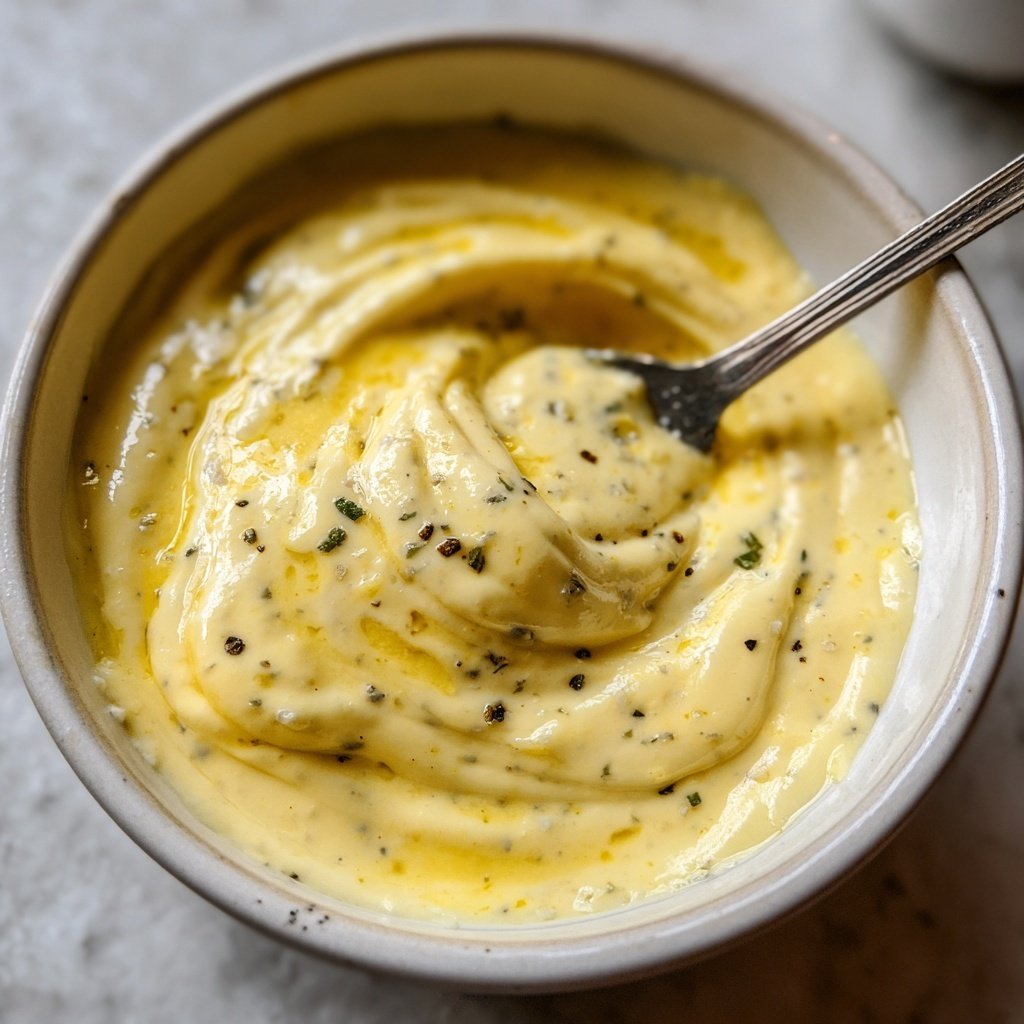
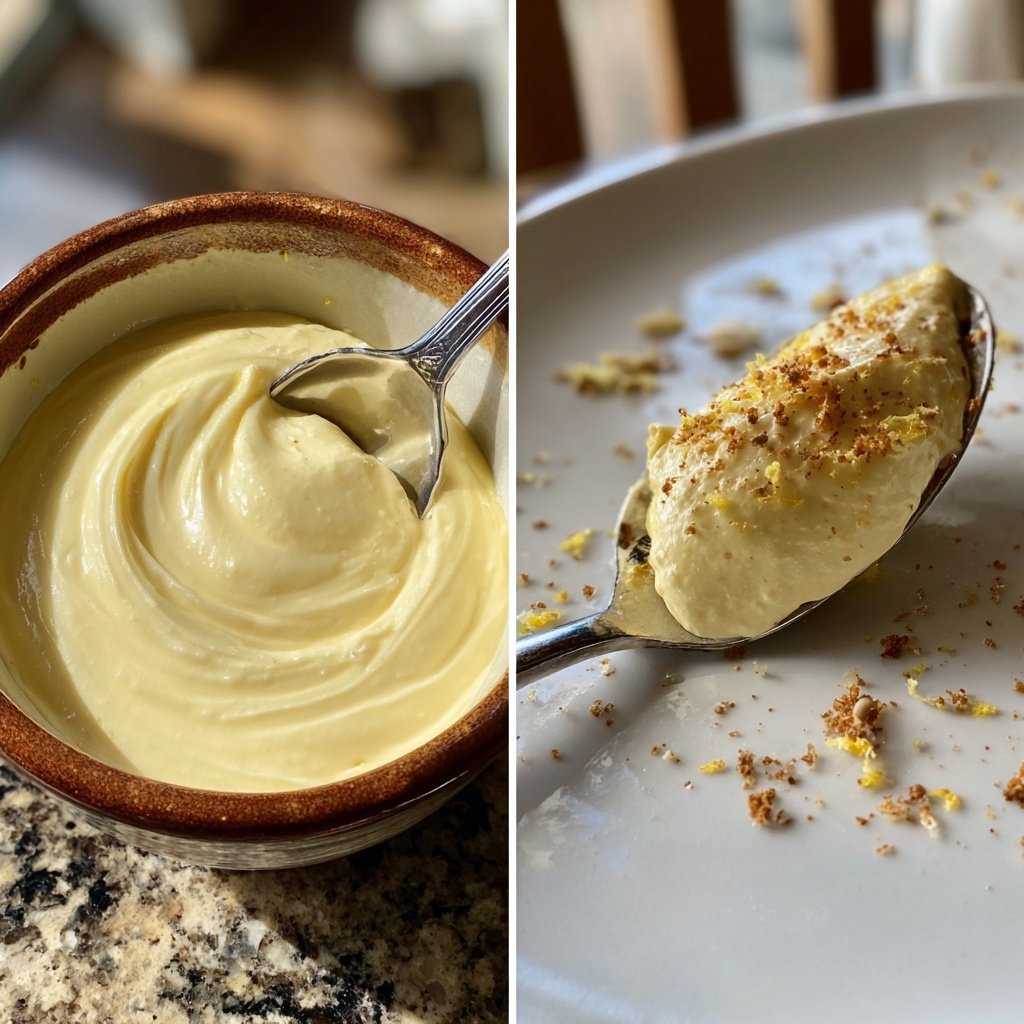
I absolutely love making aioli from scratch! There’s something so rewarding about using simple ingredients to create this rich and flavorful sauce. Aioli adds a burst of flavor to sandwiches, roasted vegetables, or as a dip for crispy fries. I've experimented with different methods over the years, but I always return to this classic version, which combines garlic, egg yolk, and oil into a velvety texture. It's a staple in my kitchen, and I can't wait for you to try it!
When I first discovered how easy it was to make classic aioli, it changed the way I approached sauces. The blend of garlic and olive oil creates a punchy flavor that elevates any dish. I’ve found that using fresh garlic cloves instead of pre-minced gives a much better taste and intensity.
One of my favorite things about making aioli is experimenting with flavors. While the traditional recipe is delightful, I’ve added elements like lemon juice and herbs for a twist. The important part is to whisk slowly, ensuring the oil emulsifies properly for that perfect creamy consistency.
Why You'll Love This Recipe
- Creamy texture that's perfect for dipping or spreading
- Bold garlic flavor that complements a variety of dishes
- Quick and easy to make with just a few ingredients
The Importance of Fresh Ingredients
Using fresh garlic is critical to the success of your aioli. Fresh garlic cloves have a more potent flavor and pungency compared to pre-minced or dried garlic. When you mince the garlic yourself, you can control its texture and release the essential oils that contribute to the sauce's overall flavor. Look for garlic with firm bulbs and dry skins to ensure peak freshness.
Opt for high-quality, extra virgin olive oil for the best results. The oil is the primary ingredient in aioli, and its flavor will significantly impact the sauce. Extra virgin olive oil contains more flavor compounds and nutrients compared to regular olive oil. Experimenting with flavored oils, like those infused with herbs or spices, can also add a unique twist to your aioli.
Perfecting the Emulsification Process
Emulsifying the oil into the egg yolk mixture is where many encounter difficulties. To achieve a light, airy texture, it’s best to drizzle the olive oil slowly while whisking vigorously. Aim for a thin stream and not a large pour, as adding too much oil at once can cause the emulsification to break. If this happens, try adding a drop of warm water and re-whisking to re-emulsify.
Visual cues are essential; the aioli should become thicker and glossy as more oil is added. This process typically takes 5-7 minutes of consistent whisking, so be patient! You can also use a food processor for this step; just pulse intermittently while drizzling in the oil until you achieve the desired thickness.
Storage and Variations
Homemade aioli can be stored in an airtight container in the refrigerator for up to a week. Make sure to keep it chilled and consume it within this timeframe, as the raw egg yolks may pose a risk if kept too long. When you're ready to serve, give it a good stir to revive its creamy texture, and consider adding a touch more lemon juice if it thickens too much in the fridge.
Feel free to experiment with variations! For a spicy kick, add a small amount of chipotle in adobo or a dash of cayenne pepper. To make a herb-infused aioli, blend in fresh parsley or basil. These alterations can elevate your aioli and perfectly complement specific dishes, such as grilled seafood or roasted vegetables.
Ingredients
Gather the following ingredients to make delicious classic aioli:
Ingredients
- 2 large egg yolks
- 4-6 garlic cloves, minced
- 1 teaspoon Dijon mustard
- 1 cup olive oil
- 1 tablespoon lemon juice
- Salt to taste
Make sure to use high-quality ingredients for the best flavor.
Instructions
Follow these simple steps to create your aioli:
Prepare the Garlic and Egg Yolks
In a mixing bowl, whisk together the egg yolks, minced garlic, and Dijon mustard until well combined.
Emulsify the Oil
Slowly drizzle in the olive oil while continuously whisking to emulsify the mixture until it thickens.
Season the Aioli
Add lemon juice and salt to taste, mixing well until combined.
Serve
Transfer the aioli to a serving bowl and enjoy with your favorite dishes!
Ensure the aioli is made right before serving for the best flavor.
Pro Tips
- For a smoother aioli, blend with a hand mixer instead of whisking by hand. You can also add herbs like basil or tarragon for added flavor variations.
Troubleshooting Common Issues
If your aioli doesn't thicken or breaks during emulsification, don’t despair! You can salvage it by whisking a fresh egg yolk in a separate bowl and slowly incorporating the broken aioli into it. This will help create a new emulsion. Always whisk vigorously and incorporate the previous mixture gradually to achieve a smooth consistency.
Occasionally, homemade aioli can turn out too garlicky or salty. If this happens, balance the flavor by adding a bit more lemon juice or a splash of vinegar, which can brighten the taste. Taste as you go to ensure the flavors are spot on.
Serving Suggestions
Aioli pairs beautifully with a variety of dishes beyond traditional bread or fries. Use it as a zesty spread for sandwiches and burgers, or serve it alongside grilled meats for a rich flavor contrast. It also makes an excellent dip for fresh vegetable platters, elevating the simplicity of raw veggies with its creamy texture and bold flavor.
For a delightful brunch option, consider using aioli in a breakfast sandwich, layering it with avocado, poached eggs, and smoked salmon. The creamy, garlicky notes beautifully complement the rich ingredients, making for a satisfying meal that is good any time of the day.
Questions About Recipes
→ Can I use pasteurized eggs for aioli?
Yes, using pasteurized eggs is a great way to reduce the risk of salmonella while still achieving that creamy texture.
→ How long can I store aioli?
Homemade aioli can be stored in the refrigerator for up to a week, though it's best enjoyed fresh.
→ Is aioli the same as mayonnaise?
While both are emulsions, aioli is traditionally garlic-based, whereas mayonnaise uses vinegar or lemon for flavor.
→ What can I substitute for garlic?
If you're looking for a milder taste, roasted garlic can be used instead, or even a dash of garlic powder for a different flavor.
Classic Aioli Sauce Recipe
Created by: Talia Preston
Recipe Type: International Plate Collection
Skill Level: Intermediate
Final Quantity: 1 cup
What You'll Need
Ingredients
- 2 large egg yolks
- 4-6 garlic cloves, minced
- 1 teaspoon Dijon mustard
- 1 cup olive oil
- 1 tablespoon lemon juice
- Salt to taste
How-To Steps
In a mixing bowl, whisk together the egg yolks, minced garlic, and Dijon mustard until well combined.
Slowly drizzle in the olive oil while continuously whisking to emulsify the mixture until it thickens.
Add lemon juice and salt to taste, mixing well until combined.
Transfer the aioli to a serving bowl and enjoy with your favorite dishes!
Extra Tips
- For a smoother aioli, blend with a hand mixer instead of whisking by hand. You can also add herbs like basil or tarragon for added flavor variations.
Nutritional Breakdown (Per Serving)
- Calories: 220 kcal
- Total Fat: 24g
- Saturated Fat: 3g
- Cholesterol: 55mg
- Sodium: 50mg
- Total Carbohydrates: 1g
- Dietary Fiber: 0g
- Sugars: 0g
- Protein: 1g